
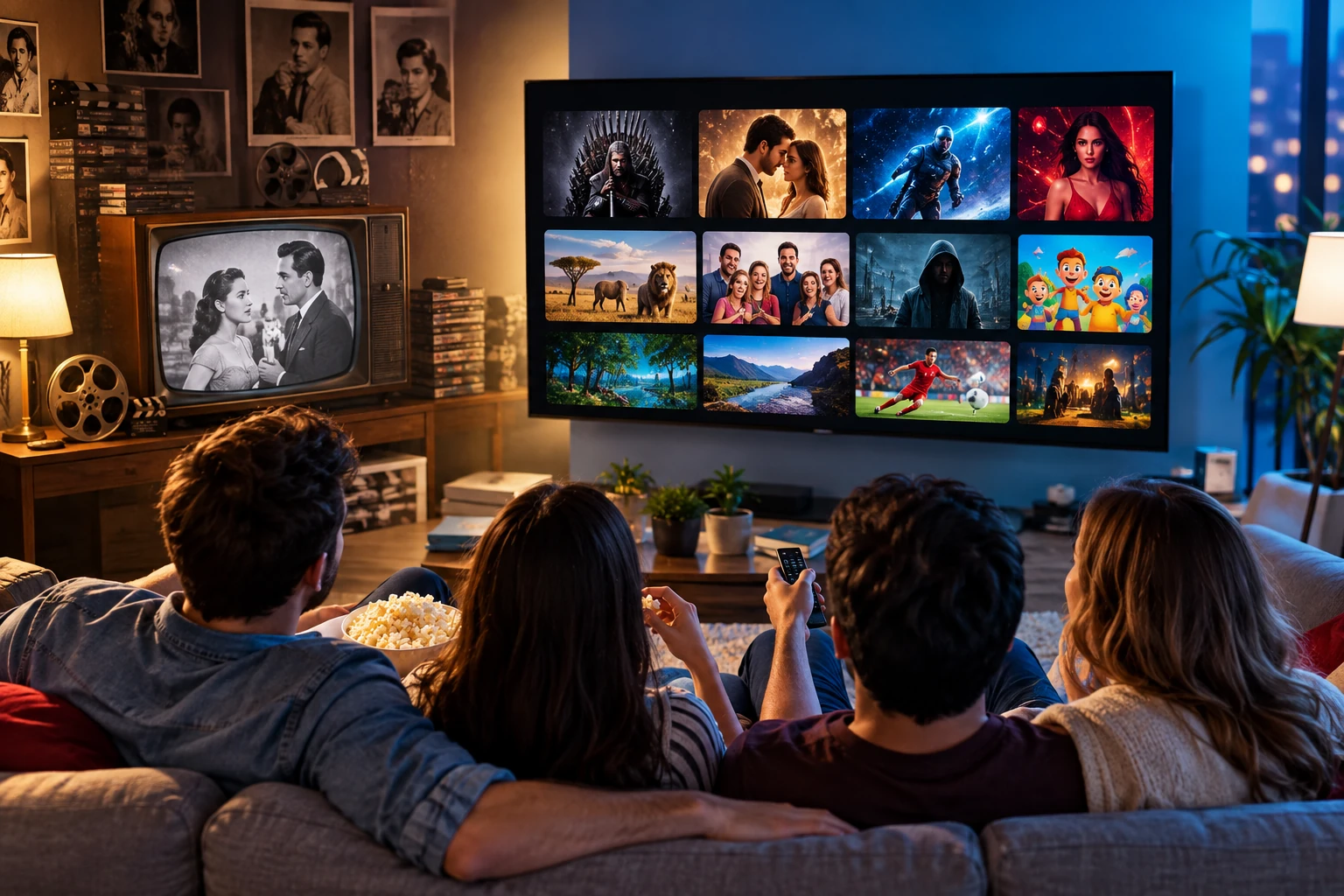
The entertainment industry has changed dramatically with the growth of streaming platforms. In the past, watching a movie or television program often meant going to a cinema, waiting for a scheduled television broadcast, renting physical media, or purchasing a recording. Today, audiences can access large libraries of movies, shows, documentaries, music, and other content through internet-connected devices.
From Scheduled Viewing to On-Demand Entertainment
One of the biggest changes brought by streaming is the move toward on-demand viewing. Traditional television followed fixed schedules, meaning viewers had to watch a program at a particular time or record it for later.
Streaming allows users to choose what they want to watch and when they want to watch it. This flexibility has become particularly important for people with busy schedules.
Viewers can pause, resume, or revisit content across compatible devices, making entertainment more adaptable to individual routines.
Changes in Television Consumption
Streaming has also influenced the traditional television model. Instead of relying primarily on cable or broadcast channels, many viewers now use internet-based services as a major source of entertainment.
Entire seasons of shows can sometimes be made available together, allowing audiences to watch multiple episodes in a short period. This has contributed to the popularity of binge-watching, although many services also continue to release episodes on weekly schedules.
Global Access to Content
Streaming has made it easier for audiences to discover entertainment produced in different countries. Subtitles, dubbing, and localized interfaces can help films and television shows reach viewers who may not speak the original language.
As a result, productions from different regions can find audiences far beyond their original markets. International entertainment has become a more visible part of mainstream viewing for many audiences.
New Opportunities for Content Creators
Streaming has created additional opportunities for filmmakers, writers, actors, producers, and other creative professionals.
Traditional distribution systems often involved limited theatrical releases, television schedules, or physical media. Digital distribution provides additional pathways for content to reach audiences.
Streaming services have also invested in original productions, creating demand for new stories and formats. At the same time, competition for audience attention means not every production receives the same level of visibility.
Data and Audience Preferences
Digital platforms can collect information about viewing behavior, such as what users watch, when they stop watching, and which types of content attract attention. This information can help platforms make decisions about recommendations, marketing, and future content investments.
Personalized recommendations can make it easier for viewers to discover programs they might enjoy. However, recommendation systems can also influence what content receives attention, making platform algorithms an important part of the modern entertainment ecosystem.
Changing Movie Distribution
Streaming has also affected the traditional relationship between cinemas and home entertainment. Some films may have theatrical releases followed by digital availability, while others may receive more limited theatrical distribution.
The timing between theatrical release and home viewing has changed over time, and different studios and platforms use different strategies.
This has given audiences more ways to access films but has also created new questions about the future role of traditional movie theaters.
Changes in Entertainment Marketing
Marketing has evolved alongside streaming. Social media, online trailers, short-form videos, digital advertisements, and recommendation systems can help promote new releases.
A show’s popularity can also grow through online discussions and user-generated content. Viewers may share clips, reactions, reviews, and theories, turning entertainment consumption into a broader online conversation.
Increased Competition
Streaming has expanded consumer choice, but it has also created intense competition between platforms and content producers.
Audiences may have access to thousands of titles, yet only a limited amount of time to watch them. Platforms therefore compete not only through content libraries but also through user experience, original programming, pricing, recommendations, and accessibility.
Changes in the Business Model
Streaming has introduced subscription-based and advertising-supported approaches to entertainment distribution. Some services combine different models, while others provide individual titles for purchase or rental.
These approaches have changed how entertainment companies generate revenue and measure audience engagement.
For consumers, having multiple services can provide greater choice, but subscribing to several platforms can also increase total entertainment expenses.
The Future of Streaming
Streaming technology will likely continue to evolve as internet connectivity, smart devices, artificial intelligence, and interactive entertainment develop.
Future services may offer increasingly personalized experiences, new forms of interactive storytelling, and more international content. Traditional television and cinema are unlikely to disappear completely, but their roles continue to change alongside digital entertainment.
Final Thoughts
Streaming platforms have reshaped entertainment by making content more accessible, flexible, and globally connected. They have influenced viewing habits, content production, marketing, distribution, and business models.
The entertainment industry is now more digitally driven than ever, giving audiences greater control over what they watch while creating new opportunities and challenges for creators and companies. As technology continues to develop, streaming will remain an important part of the ongoing transformation of entertainment.
