
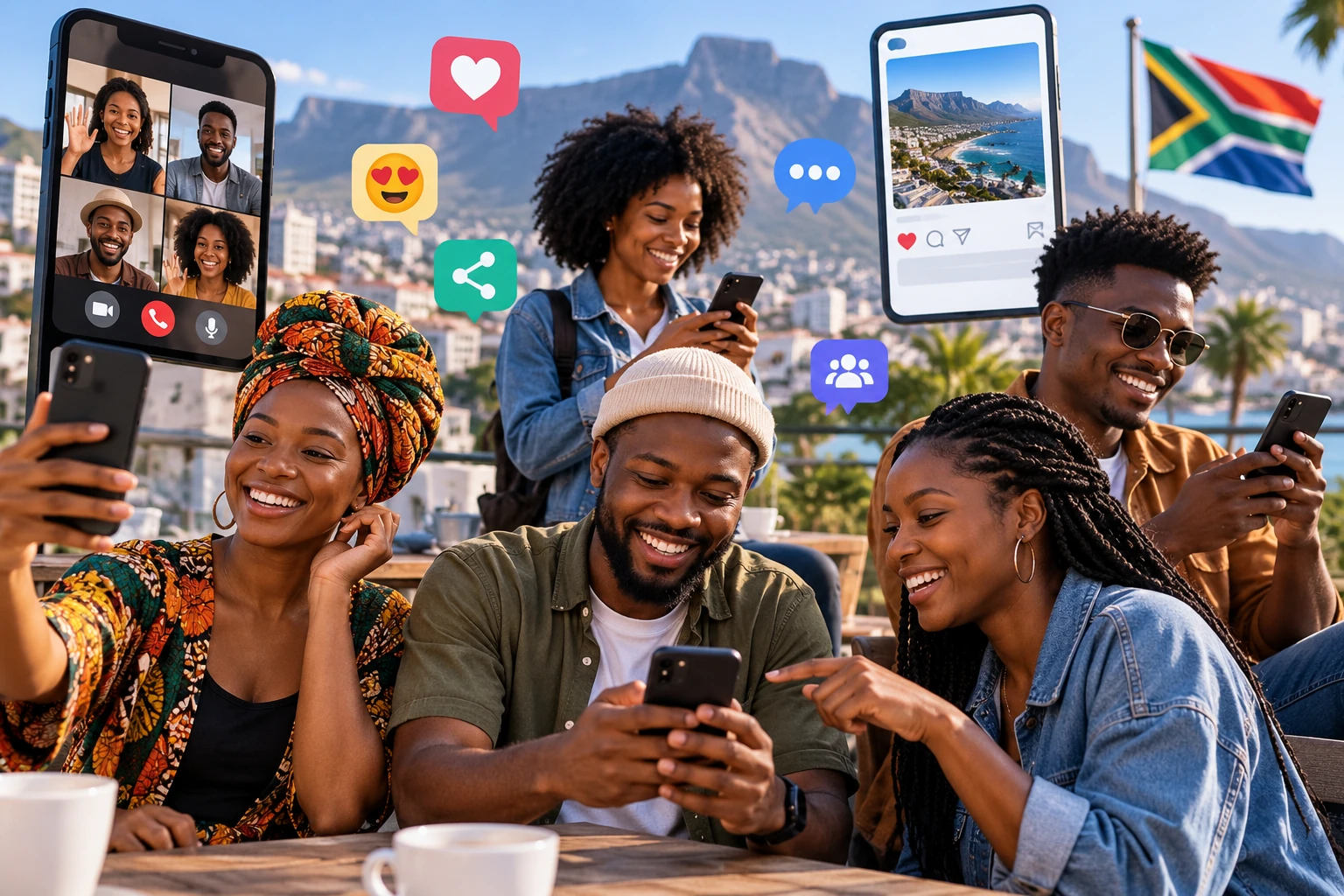
Social media has transformed communication by making it possible for people to connect, share information, and express ideas almost instantly. Platforms that support text, images, videos, live broadcasts, and private messaging have become part of everyday communication for individuals, businesses, communities, and organizations.
While social media offers convenience and new opportunities for connection, it has also changed how people interpret information, maintain relationships, and communicate with one another.
Communication Has Become Faster
Traditional communication methods often required people to wait for a letter, phone call, or scheduled meeting. Social media has significantly reduced this delay.
A message, photograph, announcement, or video can reach people almost immediately. This is particularly useful when individuals want to share updates with friends, family members, colleagues, or wider communities.
Instant communication can make it easier to coordinate plans, discuss events, and respond to developments as they happen.
Visual Content Plays a Larger Role
Social media has increased the importance of visual communication. Instead of relying only on written messages, users can communicate through photographs, short videos, GIFs, graphics, livestreams, and other formats.
A single image or short video can sometimes communicate an idea more quickly than a long written explanation. Businesses and creators also use visual storytelling to demonstrate products, explain concepts, and connect with audiences.
However, visual content can sometimes lack context. A photograph or short clip may not provide enough information to explain a complicated situation, making it important to consider the source and surrounding information.
Communication Has Become More Interactive
Social media allows communication to move in multiple directions. A person can publish a post and receive comments, reactions, shares, and private messages from other users.
This creates opportunities for conversations that involve many people rather than communication between only two individuals. Businesses can also interact directly with customers, while public organizations can share announcements and receive feedback.
The interactive nature of social media has made audiences more active participants in communication.
Geographic Boundaries Matter Less
Social media allows people living in different cities or countries to communicate regularly. Friends and relatives can share updates despite being physically separated.
Professional communities can also connect across geographical boundaries. People can exchange knowledge, participate in online communities, and collaborate on projects without necessarily being in the same physical location.
This has expanded opportunities for networking and maintaining relationships.
Language and Communication Styles Are Changing
Social media has contributed to the popularity of shorter messages, abbreviations, emojis, hashtags, memes, and informal language.
Communication styles can vary significantly from one platform or online community to another. People often adapt their language depending on the audience and format.
Emojis and visual symbols can add emotional context to text, although their meaning can differ between individuals and cultures.
Social Media Influences How People Receive Information
Many people now discover news, entertainment, educational material, and public information through social platforms. Algorithms can influence which posts users see, often based on previous interactions or interests.
This can make information discovery convenient, but it also means users may encounter repeated viewpoints or incomplete information. Checking important claims against reliable sources can help reduce the risk of misunderstanding or sharing inaccurate information.
Communication Can Be More Public
A traditional conversation is often limited to the people involved. A social media post, however, can potentially be seen by a large audience.
This changes the way people communicate. A casual comment or photograph can become widely visible, shared, or preserved online. Users therefore need to consider privacy settings and the potential long-term visibility of what they post.
New Challenges in Digital Communication
Social media communication can sometimes create misunderstandings because text-based messages do not always convey tone clearly. A statement intended as a joke may be interpreted differently by another person.
Online arguments can also escalate quickly because conversations happen in public and can attract additional participants. Cyberbullying, harassment, misinformation, and privacy concerns are other challenges associated with digital communication.
Using respectful language, checking information, and thinking before posting can support healthier online interactions.
Social Media and Personal Relationships
Social platforms can help people maintain relationships by allowing them to share everyday experiences and communicate regularly. They can also help people reconnect with old friends or find communities based on shared interests.
At the same time, online interaction does not necessarily replace face-to-face communication. A healthy communication routine may involve a combination of digital and in-person interactions.
The Future of Social Communication
Communication technology will continue to evolve as platforms introduce new formats and features. Artificial intelligence, augmented reality, virtual environments, and increasingly sophisticated content tools may create additional ways for people to communicate.
The basic challenge will remain the same: using new tools effectively while maintaining accuracy, privacy, empathy, and meaningful human connection.
Final Thoughts
Social media has changed communication by making it faster, more visual, interactive, global, and accessible. It has created new ways for individuals and organizations to connect while introducing challenges involving privacy, misinformation, tone, and digital behavior.
Using social media thoughtfully means understanding both its advantages and limitations. When people verify information, respect others, protect their privacy, and communicate clearly, social platforms can become useful tools for maintaining relationships and sharing ideas.
